
Mordent.
A short zigzag above the note: play the note, its neighbor, and the note again, quickly.
Also called lower mordent, upper mordent, inverted mordent, Pralltriller, mordente.
What it means
A mordent is a quick ornament of three notes: the main note, a neighboring note, and the main note again. It adds a little snap or sparkle to a single note. The name comes from the Italian mordere, “to bite”.
How it’s written
A short zigzag above the note. There are two kinds:
| Sign | Name | Played |
|---|---|---|
| Zigzag with a short vertical line through it | Lower mordent (often called “mordent”) | Main note, the note below, main note |
| Plain zigzag | Upper mordent, also inverted mordent or Pralltriller | Main note, the note above, main note |
An accidental above or below the sign changes the neighboring note. Without one, the neighbor follows the key signature.
The naming problem
The two signs have swapped names over the centuries. In Baroque music, “mordent” meant the lower one, with the line. In the 19th century, some writers used “mordent” for the plain zigzag and called the lower one “inverted”. Today most teachers say lower mordent for the sign with the line and upper mordent for the plain one, which describes what you play. When in doubt, go by the sign, not the name.
How it’s played
- On the beat. The first note of the mordent falls where the written note falls.
- Quickly. The first two notes are fast; the last note takes the rest of the written value.
- In context. In Baroque keyboard music, the plain zigzag is often a short trill starting from the upper note. Your edition’s notes, or your teacher, can tell you which reading fits.
- On any instrument: keep it light. A mordent should decorate the note, not break up the line.
Common confusions
- The trill. A trill keeps alternating; a mordent is one quick back and forth.
- The turn. A turn is a four-note figure around the note, written as a sideways S.
- Which neighbor. The line through the zigzag points down to the lower neighbor. No line, the upper neighbor.
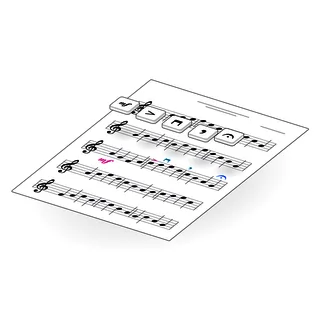
Marking it on your score
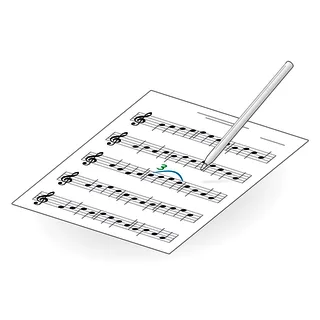
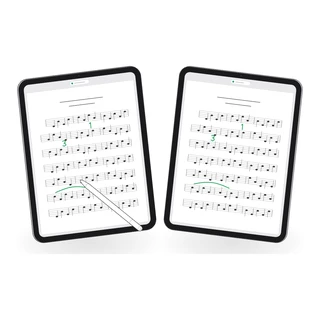
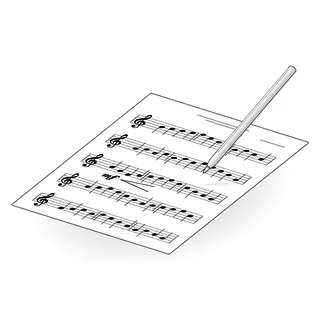
Many players write the three notes in small above a mordent until the ornament is in their fingers. In Marcato, the stamp tool’s Ornaments group has both Mordent (with the line) and Upper Mordent, so the sign you add matches the one you mean.