

Portato.
A tenuto line with a dot, or dots under a slur: play the notes slightly separated, each with a gentle push.
Also called mezzo staccato, louré, slurred staccato.
What it means
Portato sits halfway between legato and staccato. Each note is given a soft push and a small space before the next, but the line keeps its shape. Think of it as speaking each note gently rather than singing them all together or clipping them short.
The word comes from Italian portare, “to carry”. It’s also called mezzo staccato (“half staccato”), and on strings, louré.
How it’s written
There are two common ways:
- A tenuto line with a staccato dot, one on each note. This is the clearest form.
- Staccato dots under a slur. The slur keeps the line together, the dots separate it slightly.
How it’s played
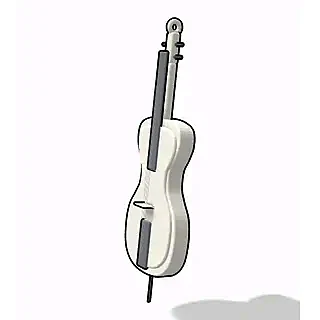
- Strings: louré. Several notes in one bow direction, each with a slight pulse of weight and a tiny easing between them, without stopping the bow completely. On strings, dots under a slur can also mean a slurred staccato with a full stop between notes; the tempo and the style usually decide which.
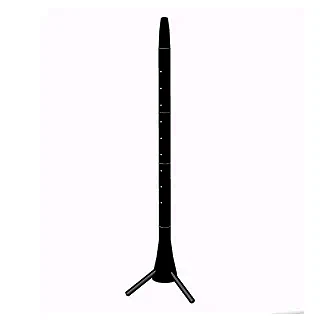
- Winds and brass: a very soft tongue, “doo” rather than “too”, with the air flowing through the notes.
- Piano: each note slightly weighted and slightly detached, often with a little pedal to keep it from sounding dry.
- Voice: a gentle pulse on each note, with the breath steady underneath.
Common confusions
- Portamento. In older writing, “portato” and “portamento” were sometimes mixed up. Today portamento means sliding between pitches, which is quite different.
- Staccato under a slur on strings. As above, it can mean louré or slurred staccato. Ask your section leader which the section is using.
- Tenuto alone. A tenuto line without the dot asks for the full length, not the slight separation.
Marking it on your score
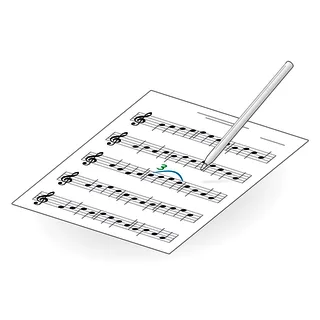
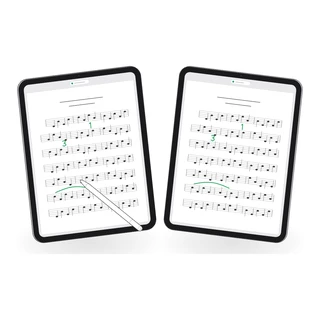
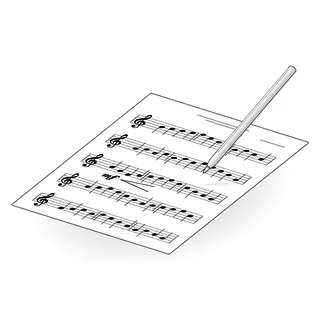
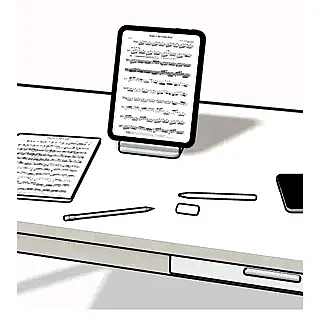
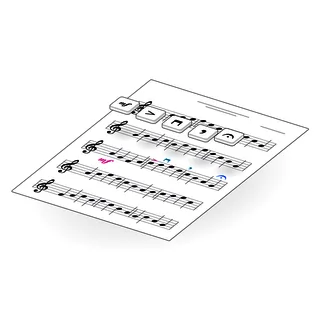
Write the line first, then the dot directly under it (or above it, below the note), both on the notehead side. If you mark portato for a whole passage, a word (“portato” or “louré”) at the start is often clearer than a mark on every note. In Marcato there’s no single portato stamp: place a Tenuto and a Staccato stamp from the Articulation group together, then copy the pair along the passage with the lasso.