Piano.
A bold italic p: play softly.
Also called p, soft.
What it means
Piano is Italian for “soft”. A p in the music means play quietly, and keep playing quietly until the next dynamic marking says otherwise.
How it’s written
A bold, italic lowercase p, in the special font engravers use for dynamics. In instrumental music, dynamics usually sit below the staff. In vocal music they go above the staff, so they don’t collide with the words.
How soft is piano?
Soft, but not as soft as possible. On the usual scale from softest to loudest:
ppp, pp, p, mp, mf, f, ff, fff
Piano is two steps below the middle. It’s also relative: piano in a Mahler symphony with 100 players isn’t the same volume as piano in a solo flute piece, and a composer from the 1700s used fewer dynamic levels than one from the 1900s.
How it’s played
Playing softly is harder than playing loudly. The goal is a quiet sound that still carries, not a weak one.
- Winds and brass: keep the air support up and the air stream focused; it’s the amount of air, not the energy, that drops. Practice soft entries in particular.
- Strings: less bow weight, often closer to the fingerboard, with a steady bow speed.
- Piano (the instrument): less weight, with the fingers close to the keys. The soft pedal can help with color, but not as a substitute for control.
- Voice: stay supported and keep the tone bright enough to be heard.
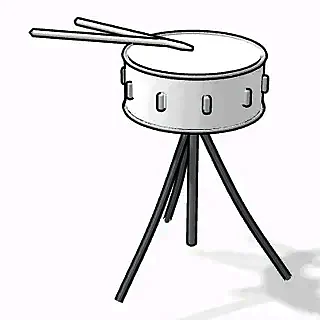
- Percussion: lower stick heights, softer mallets if the music allows.
Common confusions
- The instrument. The piano’s full name is pianoforte, “soft-loud”, because it could play both, unlike the harpsichord. The dynamic and the instrument share the word.
- Piano means slow. It doesn’t. Soft and slow are separate choices.
- Piano means less effort. Usually the reverse: a good piano takes more control.
Marking it on your score
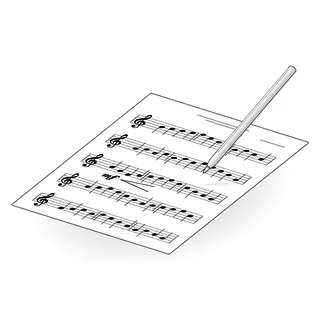
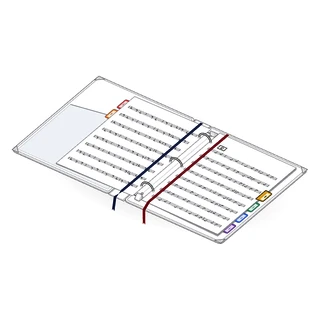
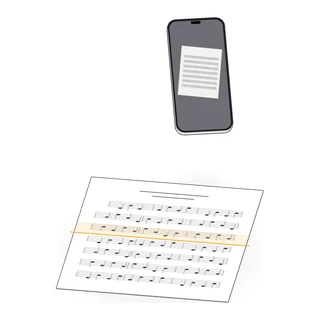
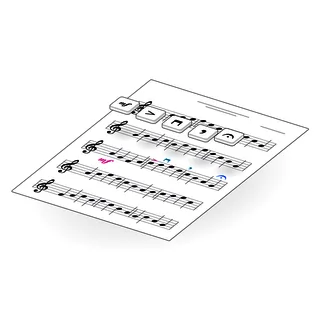
Circle a printed p you keep playing over, especially after a loud passage. To add one, write it below the staff (above, for singers) right where the change happens. In Marcato, Piano is in the stamp tool’s Dynamics group, in the same engraved style as the printed dynamics. Keep your dynamic reminders on the Dynamics layer, so you can hide them from the Layers menu once they’ve stuck.