
Crescendo.
An opening hairpin (<) or cresc.: get gradually louder.
Also called cresc., hairpin, crescendi, crescendo poco a poco.
What it means
Crescendo is Italian for “growing”. It asks you to get gradually louder over a stretch of music.
How it’s written
Two ways:
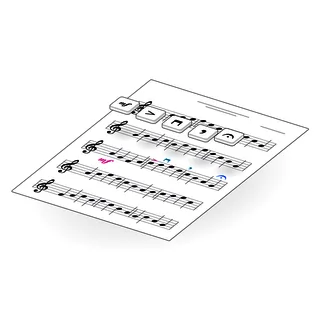
- A hairpin: two lines that start together and open out, like a stretched <. It begins where the crescendo starts and ends where it reaches its peak. Placed under the staff for instruments, above it for voices.
- The word: crescendo or cresc., often followed by dashes across the passage it covers. Common additions: poco a poco (“little by little”), molto (“a lot”), poco (“a little”).
Usually a dynamic at the end shows where it’s going: a crescendo from p to f. If there isn’t one, the crescendo grows to whatever level fits the music.
How it’s played
Most of a crescendo is pacing. One spread over 8 bars should be loudest in bar 8, not bar 3.
- Start softer than you think. Taking a little off the start gives you more room to grow.
- Save the most for the end. Many players grow too fast and arrive early.
- Keep the tempo. Getting louder pulls most players faster. Feel the beat.
- Winds and brass: grow the air steadily; keep the pitch steady as you get louder.
- Strings: add bow weight and speed and move toward the bridge, often with a bow change planned so you have bow left for the peak.
- Piano: each note a little more weight than the last; the pedal can help the sound grow.
- Voice: more breath and resonance, never more pressure in the throat.
Common confusions
- Accelerando. That’s getting faster. Crescendo is only louder.
- The accent. A short > on one note is an accent; a hairpin spans a passage. Very short hairpins can look like accents, so check the length.
- A crescendo means play loud. It means get louder. The start is soft.
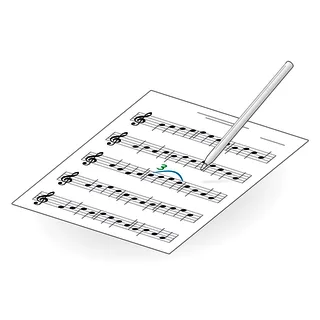
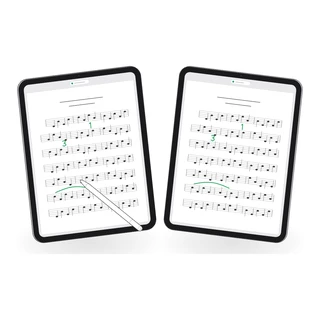
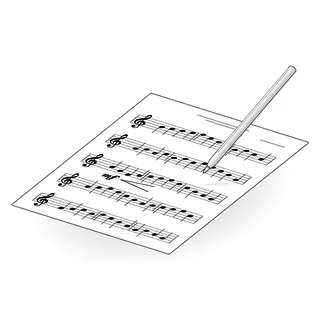
Marking it on your score
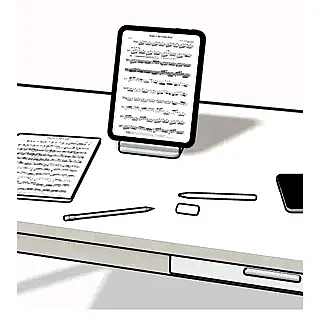
Pencil hairpins are one of the most common markings players add, often with a note of where the peak is. Draw it from the note where you start to the note where you arrive. In Marcato, the stamp tool’s Dynamics group has Crescendo; place it where the passage starts and size it with the handles. Or draw the hairpin by hand, and ink cleanup turns it into the engraved one. On a busy score, keep hairpins on your Dynamics layer.