Fortissimo.
A bold italic ff: play very loudly.
Also called ff, very loud, fortississimo (fff).
What it means
Fortissimo is the superlative of forte: “very loud”. An ff asks for a big, full sound, held until the next marking.
How it’s written
The letters ff in bold italic, below the staff in instrumental music and above it for voices.
On the dynamic scale it’s near the top:
ppp, pp, p, mp, mf, f, ff, fff
Some composers go further. fff (fortississimo) is “as loud as possible”, and a few late Romantic and 20th century scores write four or more f’s.
How it’s played
Fortissimo is about size and intensity, not strain. The sound should grow, not break.
- Winds and brass: lots of air with strong support and an open throat. Listen for the point where the tone cracks or goes sharp or flat, and stay below it.
- Strings: full bow weight and fast bow speed, close to the bridge. Use more bow rather than more pressure.
- Piano: full arm and body weight, landing on the keys rather than hitting them. Use the pedal to let the sound bloom.
- Voice: full resonance and breath support; in a choir, never louder than your voice can stay healthy.
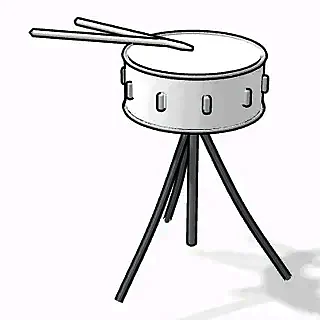
- Percussion: high stick heights and full strokes, letting the instrument ring.
Balancing ff in an ensemble
In an orchestra or band, brass and percussion at ff can cover everyone else. Many conductors ask the loudest sections to play their ff with the balance in mind. Listen across the ensemble: if you can’t hear the melody, you’re too loud.
Common confusions
- ff is the loudest possible. Not quite: fff is louder, and a good ff leaves a little room.
- ff is a longer forte. It’s a bigger forte, not a longer one.
- Loud means tense. The best fortissimo comes from a relaxed body and lots of air or weight.
Marking it on your score
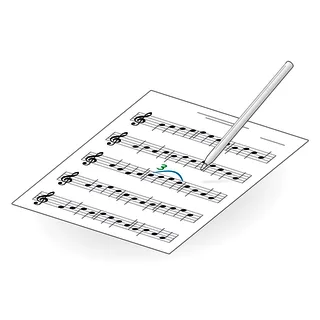
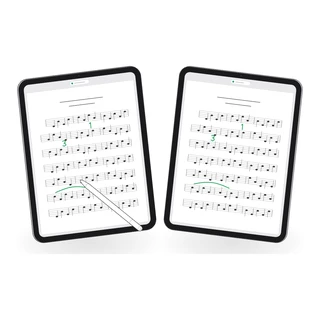
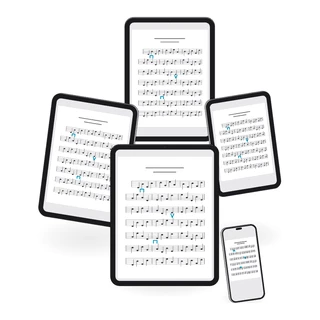
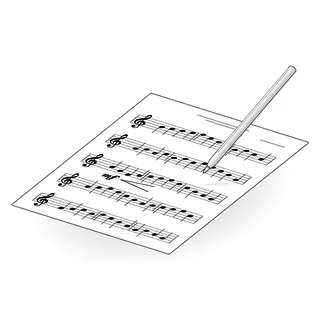
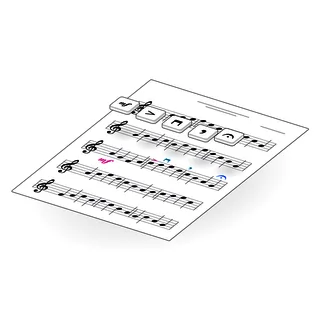
Write ff under the staff where it arrives, and add a crescendo hairpin before it if the build-up matters. In Marcato, the stamp tool’s Dynamics group has Fortissimo, along with fff, so a reminder looks like the dynamics already printed on the score.