Fermata.
An arc with a dot over a note or rest: hold it longer than its written value, then go on.
Also called pause, hold, bird's eye, corona, fermate.
What it means
Fermata is Italian for “stop” or “stay”. It tells you to hold a note, chord or rest longer than its written value. How much longer isn’t written down: it’s up to the performer, or in an ensemble, the conductor. In British English it’s often called a “pause”.
How it’s written
An arc curving over a dot, like a half-closed eye, which is why it’s nicknamed the “bird’s eye”. It goes above the staff. When it has to go below, in the lower voice of a shared staff for example, it’s turned upside down.
- Over a note or chord: hold the sound.
- Over a rest: hold the silence.
- Over a barline: a short break between sections, with no note held.
How it’s played
There’s no fixed rule for the length. A common starting point is roughly double the written value, then let the music decide: a fermata at the end of a slow movement is longer than one in the middle of a lively one.
- In an ensemble, watch the conductor for the release and for the next entry. Plan the release together; a ragged cut-off is the most common fermata problem.
- Winds, brass and singers: take a breath before a long fermata if you can, and plan where to breathe after it.
- Strings: plan the bow. A long hold may need a slow bow or a hidden bow change.
- Piano: the sound fades on its own; keep the pedal and the key down until the release.
In older music
In Baroque chorales, fermatas mark the ends of phrases and aren’t always held long. In Classical concertos, a fermata over a chord near the end of a movement is where the soloist plays the cadenza.
Common confusions
- Tenuto. A tenuto holds the note for its full value. A fermata holds it longer.
- Caesura. A caesura (//) is a stop in the sound. A fermata is a held sound or a held rest.
- G.P. A grand pause is a whole bar of silence for everyone, written as text.
Marking it on your score
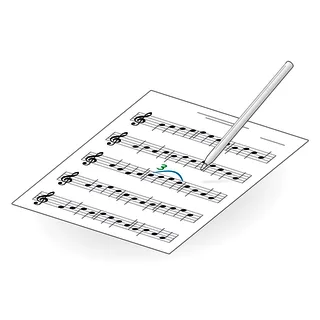
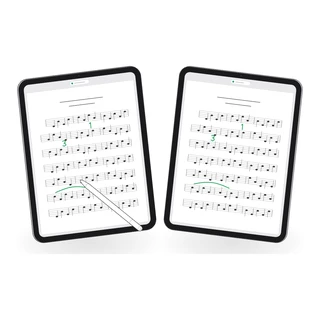
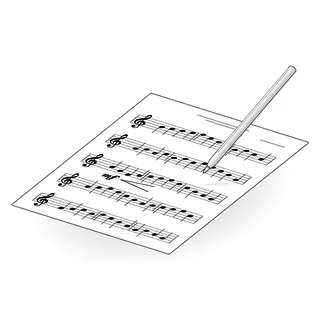
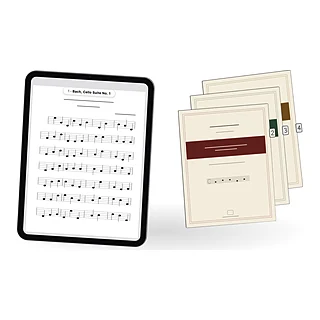
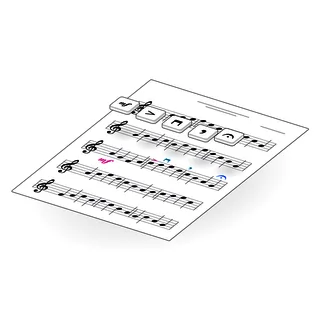
Circle a printed fermata if the conductor takes it longer than you expect, or write the cut-off (“cut on 3”) above it. To add one, the stamp tool in Marcato has Fermata under Articulation; it lands above the note, and you can size it to match the print.